Managing facilities, assets, maintenance tasks, contractors, and compliance requirements can quickly become overwhelming without the right systems in place. Facilities management software helps organisations centralise these activities, improving efficiency, reducing downtime, and providing greater visibility across buildings, equipment, and maintenance operations. FM Software overlaps with a number of other similar software categories such as Enterprise Asset Management (EAM), Computerised Maintenance Management (CMMS) and Space Planning Software. There are also more specific facility maintenance software vendors like FaultFixers that focuses more on preventative maintenance, upkeep and work orders.
The facilities management software market has expanded significantly in recent years, with solutions ranging from simple maintenance management platforms to comprehensive Integrated Workplace Management Systems (IWMS) and Enterprise Asset Management (EAM) solutions. Choosing the right platform depends on your organisation's size, operational complexity, maintenance requirements, and budget.
In this guide, we've reviewed 20 leading facilities management software solutions available in 2026. Whether you're responsible for a single facility, a multi-site portfolio, healthcare estate, educational campus, manufacturing plant, or commercial property portfolio, this comparison will help you evaluate the most suitable options.
Facilities management software is designed to help organisations manage the maintenance, operation, and performance of buildings, assets, and infrastructure.
Depending on the platform, facilities management software can include:
Many modern facilities management systems also incorporate automation, QR code asset tracking, mobile inspections, and dashboard reporting to improve operational efficiency.
The cost varies considerably depending on the number of users, required functionality, and implementation complexity.
Small businesses and facilities teams can typically expect costs ranging from:
£30–£100 per user per month
These solutions usually include:
Mid-sized organisations often spend:
£200–£2,000+ per month
These platforms typically include:
Enterprise solutions such as IBM Maximo, Archibus, Planon, and ServiceNow typically operate on custom pricing models.
Costs may include:
For large portfolios, annual software costs can easily reach tens or hundreds of thousands of dollars.
The terms CAFM (Computer-Aided Facilities Management) software and facilities management software are often used interchangeably, although CAFM traditionally focuses on managing buildings, assets, maintenance, and workplace operations through a centralised digital platform. Today, many modern facilities management platforms combine CAFM, CMMS, EAM, and IWMS functionality into a single solution.
Before selecting a platform, organisations should evaluate the following capabilities:
Effective work order management enables maintenance teams to create, assign, prioritise, and track maintenance requests from initial reporting through to completion.
Preventive maintenance tools help reduce equipment failures by automating recurring maintenance schedules and inspections.
Asset tracking functionality allows organisations to maintain accurate records of equipment, maintenance history, warranties, and lifecycle costs.
Modern facilities teams require mobile access for technicians working across multiple buildings and sites.
Reporting tools provide visibility into KPIs such as:
QR code scanning simplifies asset identification, work order creation, and maintenance record updates directly from mobile devices.
The ability to integrate with accounting systems, HR platforms, building management systems, and IoT devices can significantly improve operational efficiency.
To create this comparison, we considered several important criteria:
Different organisations will prioritise different features, so the best software for one business may not necessarily be the best choice for another.
The table below compares the leading facilities management software platforms by category, ideal use case, strengths and key considerations before we take a closer look at each one.
FaultFixers tops the list because it is simple enough for busy teams to adopt quickly, but still comprehensive for end‑to‑end facilities management. The interface is clean, the workflows are clear, and the feature set covers PM scheduling, inspections, assets, and reporting without bloat. That balance is hard to beat when you need value on day one and depth for day 1000.
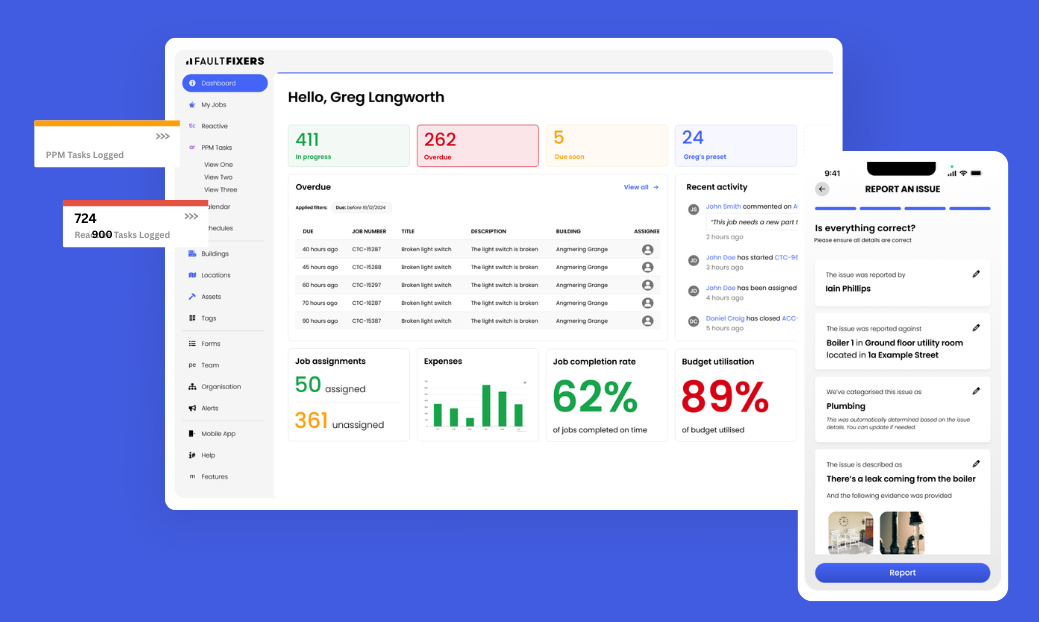
It stands out with mobile‑first maintenance, QR code scanning for locations or assets, and digital forms for checklists that keep PM work consistent, not to mention its powerful PPM matrix feature to make planned preventive maintenance a breeze. KPI dashboards and notifications keep leaders in the loop while techs get just‑enough detail to move faster.
If you have a mix of reactive tickets and planned work, FaultFixers makes both easy to track in one place. The mobile reporting flow is quick, so issues are logged with context, photos, and locations. That reduces ping‑ponging and speeds time to resolution.
For multi‑site facilities, asset records and maintenance history live centrally, so you can standardise PMs and prove compliance during audits with clean documentation.
See how FaultFixers helps maintenance teams manage work orders, assets, and preventive maintenance from one platform. Book a demo today.
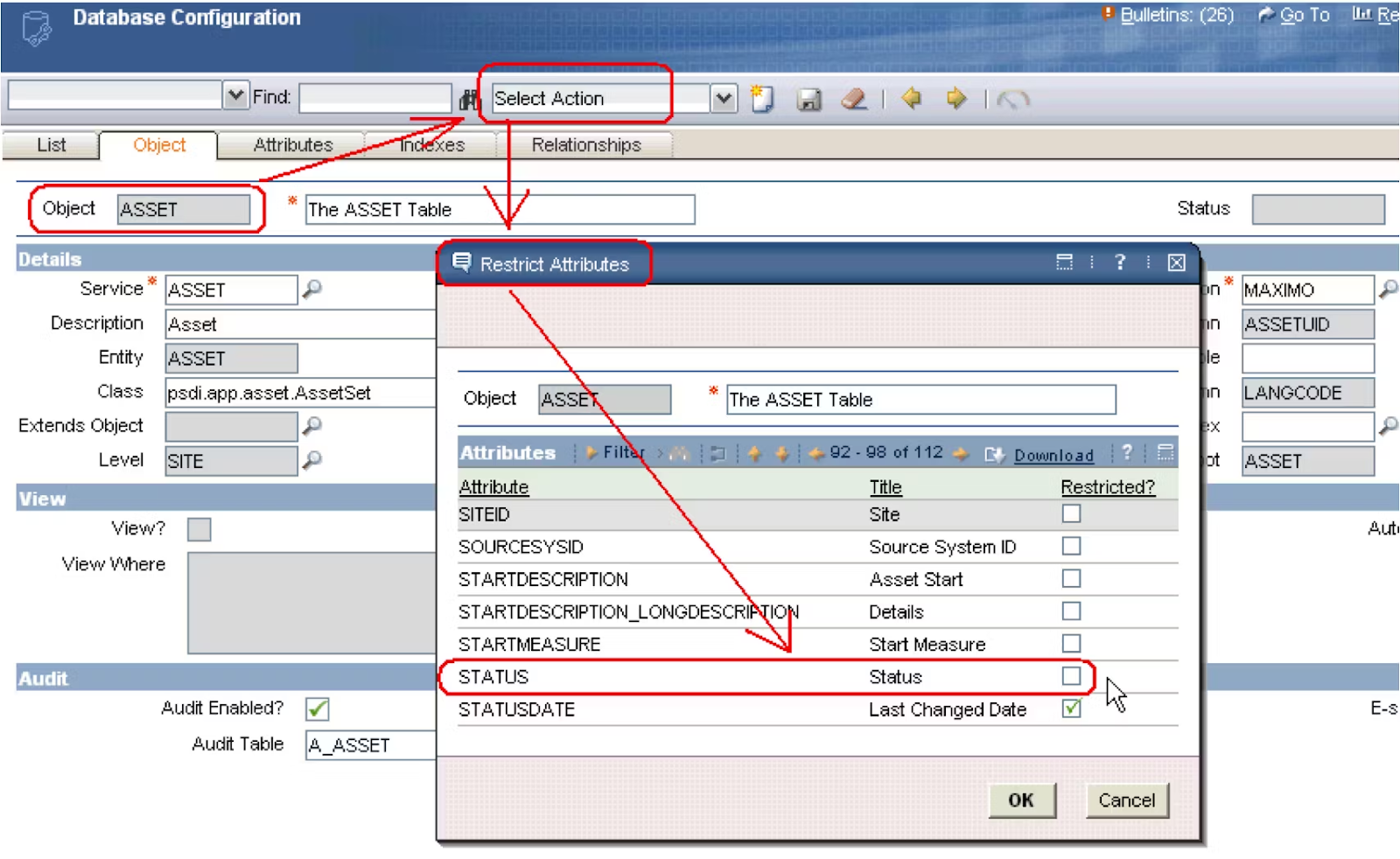
IBM Maximo is a leading Enterprise Asset Management (EAM) solution designed for large organisations with complex maintenance and asset management requirements. It offers comprehensive tools for work order management, preventive maintenance, inventory, procurement, and asset lifecycle management, making it a popular choice for enterprise facilities and infrastructure teams.
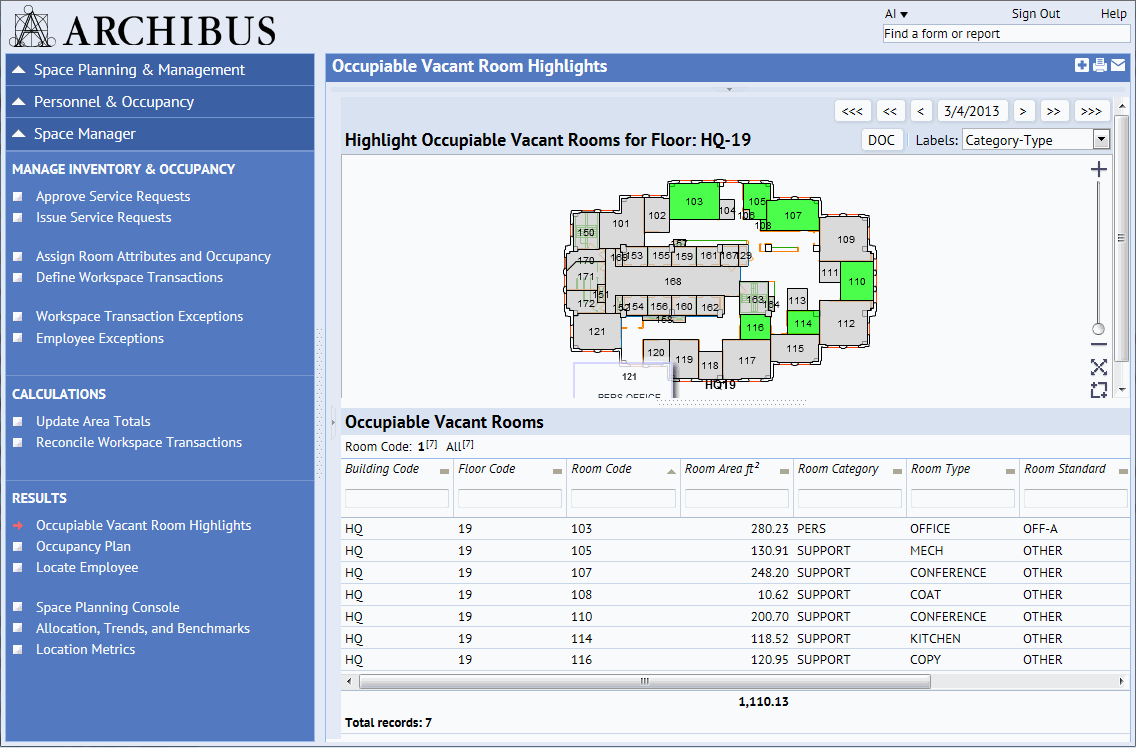
Archibus is an Integrated Workplace Management System (IWMS) platform developed by Archibus, Inc. The platform is integrated bi-directionally with building information modelling and CAD design software. As the category suggests, Archibus is more catered towards managing workspaces, beyond just maintenance. this includes space planning and management.
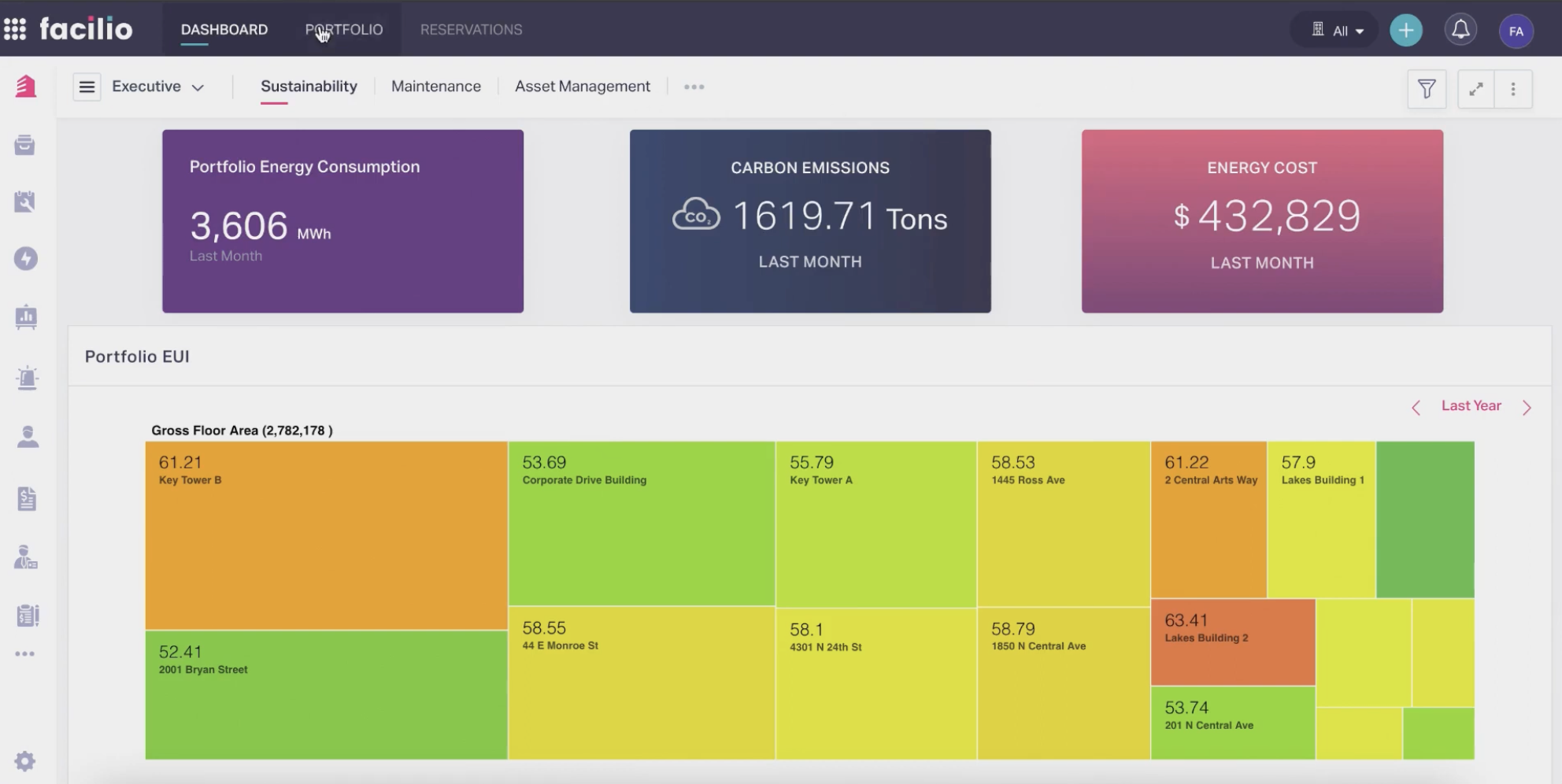
Facilio is built for multi-site operations so it scales effortlessly and keeps contractors, facility teams and leadership aligned in one unified workflow. It brings all your maintenance work into one place, keeping assets, work orders, inspections, inventory and reporting connected without juggling multiple tools. Unlike most conventional CMMS platforms that operate in silos, Facilio is built API-first with ready integrations and IoT data flows, giving you real-time visibility across sites and earlier issue detection. Routine tasks and preventive schedules can be easily automated without any technical complexity. Plus, it also fits smoothly into your existing setup through low-code configuration, avoiding disruptions during rollout.
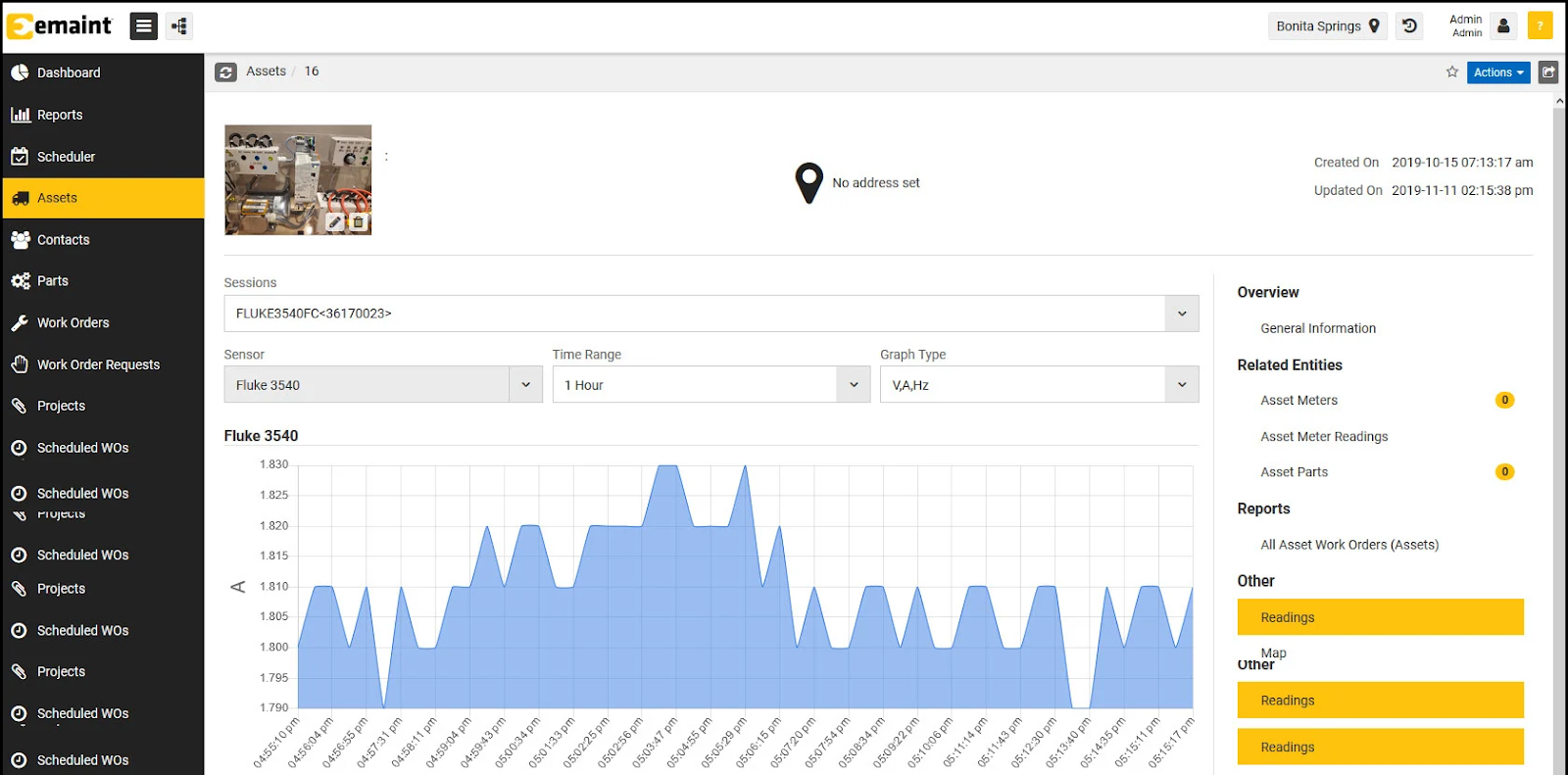
eMaint is a computerised maintenance management system (CMMS) designed for managing work orders, assets, and preventive maintenance. Unlike the previous tools mentioned on the list, eMaint is more focused on the maintenance of facilities rather than having features relating to workplace management and/or planning.
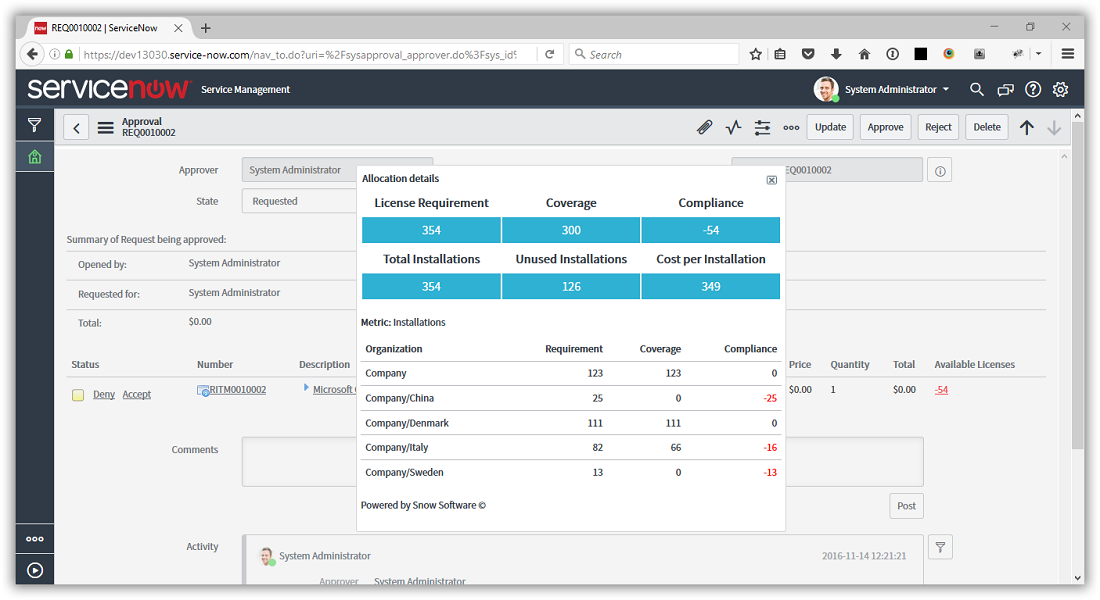
ServiceNow is an enterprise platform that specifically has great functionality around enterprise asset management. ServiceNow use the term IT Asset Management (ITAM) to describe what their software does. It is more catered towards IT departments in large organisations but technically has some feature overlap with facilities management, but again, it is more focused around IT inventory management, so if you work in a large bank IT team and you want to monitor the inventory of laptops across the company, as one example.
Accruent offers a comprehensive suite of facilities management solutions, including maintenance management, work order management, asset management, space planning, and lease administration. Designed for enterprise organisations, it helps businesses improve operational efficiency while managing large property and asset portfolios.
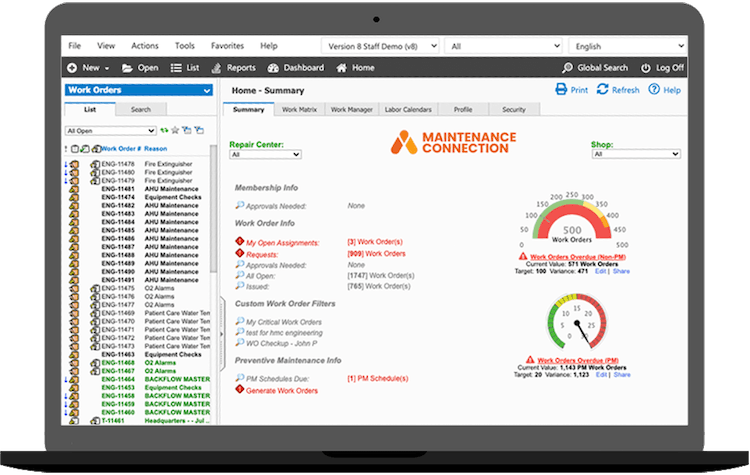
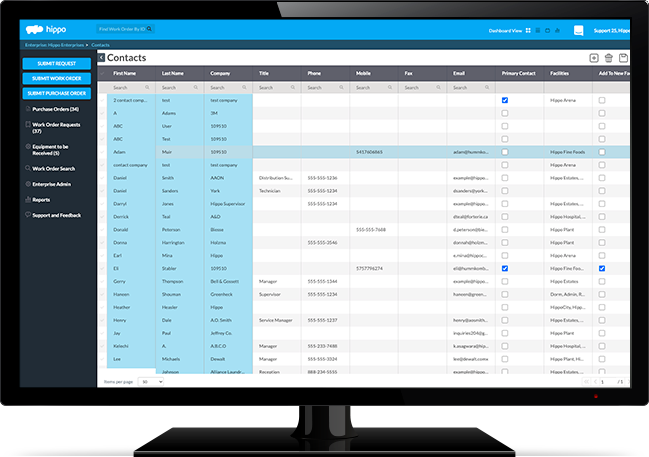
Hippo CMMS is a cloud-based maintenance management system that helps organisations manage preventive maintenance, work orders, and asset tracking through an easy-to-use platform. It is well suited to small and mid-sized maintenance teams looking for a straightforward CMMS solution.
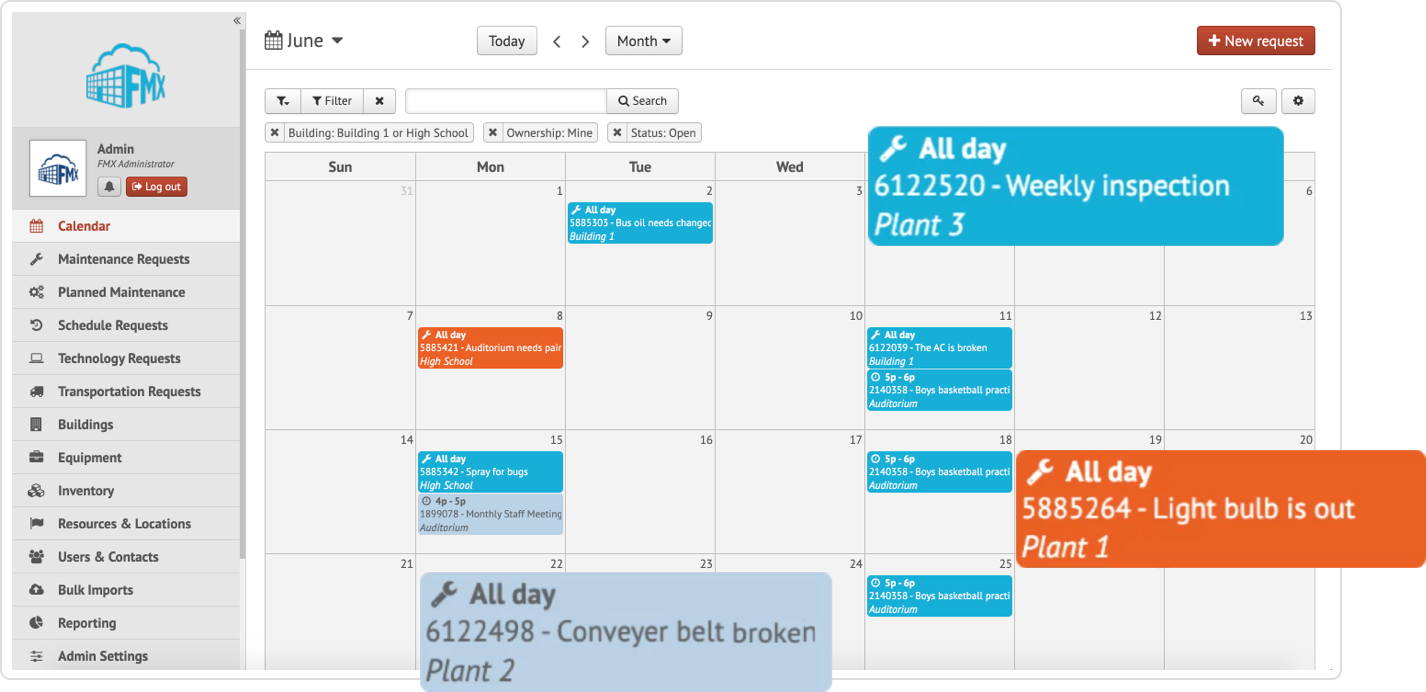
FMX is a cloud-based facilities management platform designed to simplify maintenance, work order management, preventive maintenance, asset tracking, and facility operations. Its intuitive interface and configurable workflows make it well suited to organisations looking to improve operational efficiency across multiple sites.
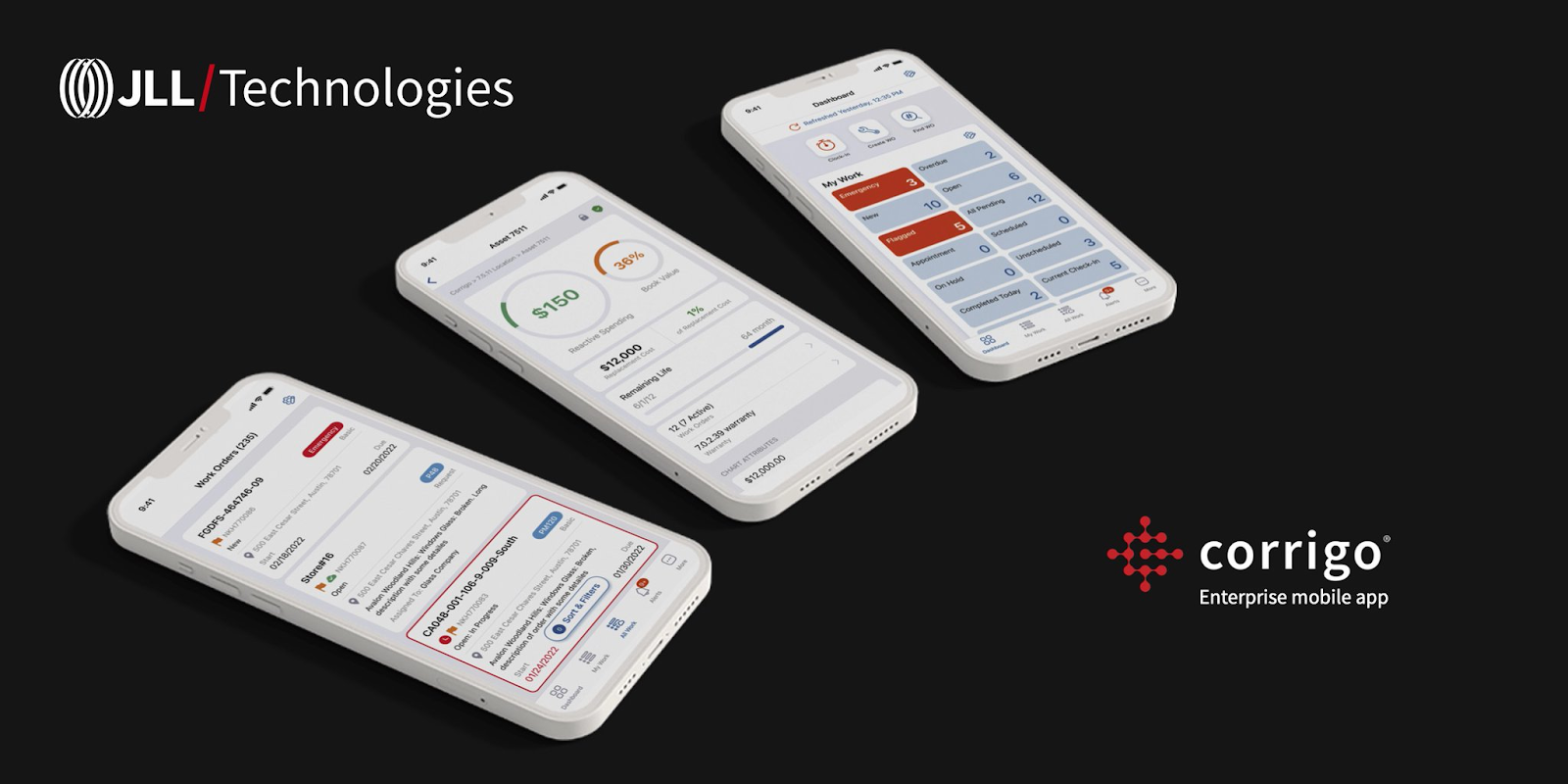
Corrigo is a cloud-based facilities management platform that helps organisations manage work orders, preventive maintenance, vendor management, and repair processes across multiple locations. Its strong contractor management capabilities make it a popular choice for organisations that outsource a significant proportion of their maintenance operations.
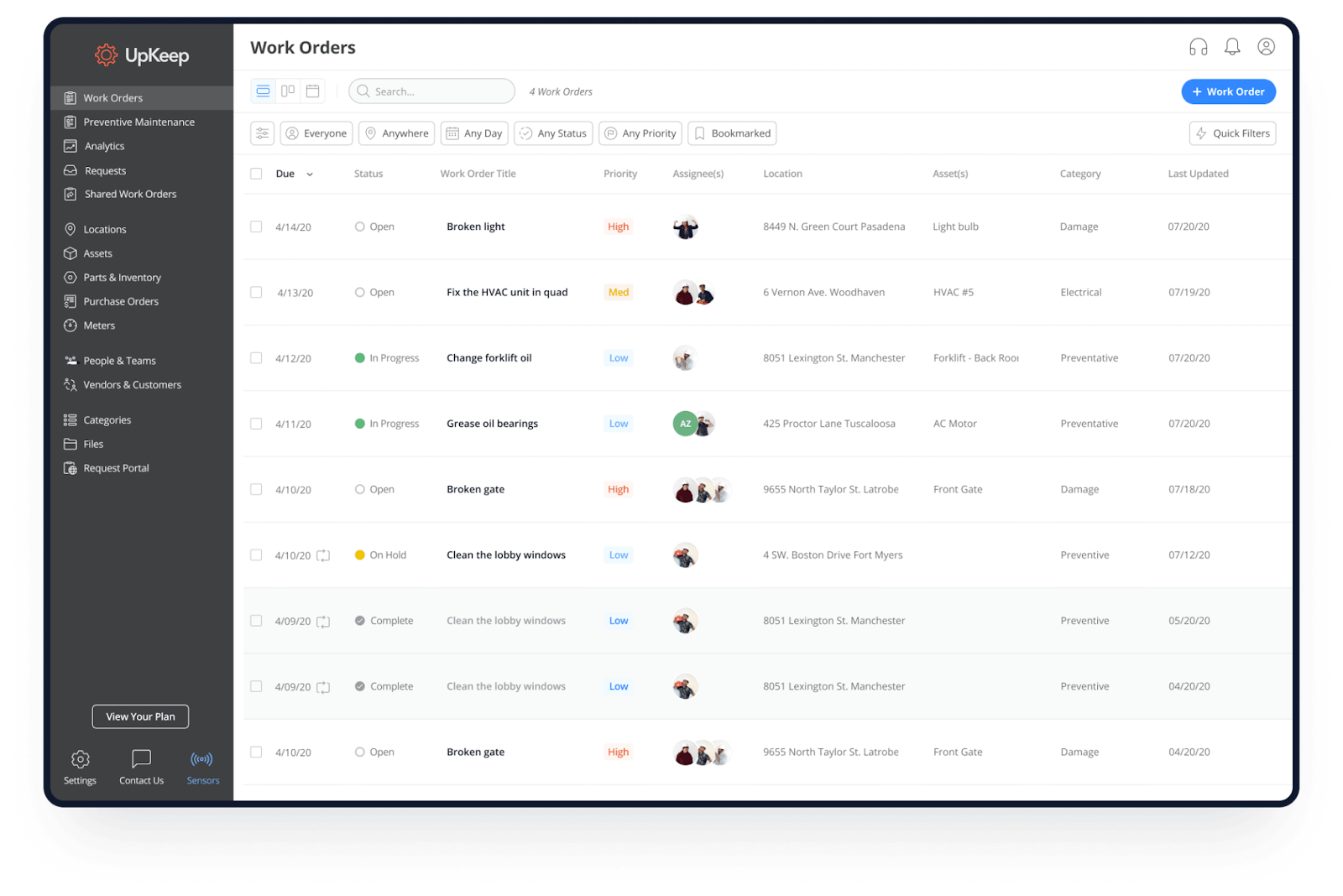
UpKeep is a cloud-based, mobile-first CMMS that enables organisations to manage work orders, preventive maintenance, asset tracking, inventory, and inspections from a single platform. Its mobile app is one of its strongest selling points, allowing technicians to update jobs, record maintenance activities, and access asset information directly from the field. Rather than offering the complexity of larger Enterprise Asset Management (EAM) platforms, UpKeep focuses on delivering a straightforward maintenance solution that is quick to implement and easy for teams to adopt.
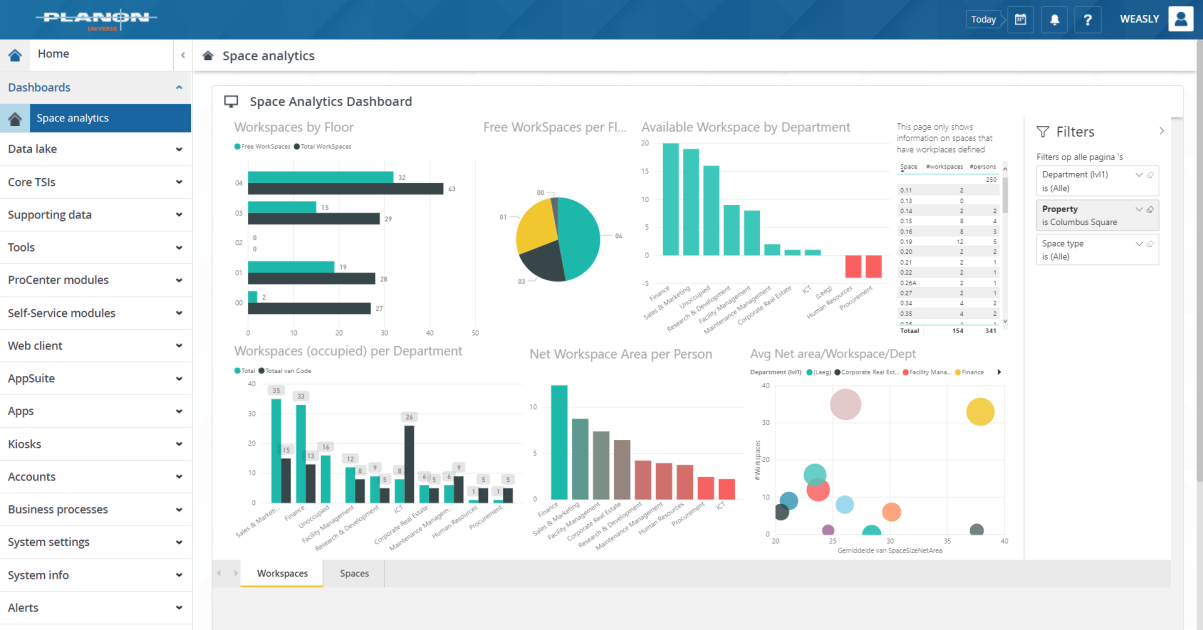
Planon is an Integrated Workplace Management System (IWMS) focused on helping organisations manage facilities, maintenance, workplace operations, and sustainability. It offers a broad range of tools for asset management, space management, preventive maintenance, and reporting, making it well suited to large organisations with complex property portfolios.
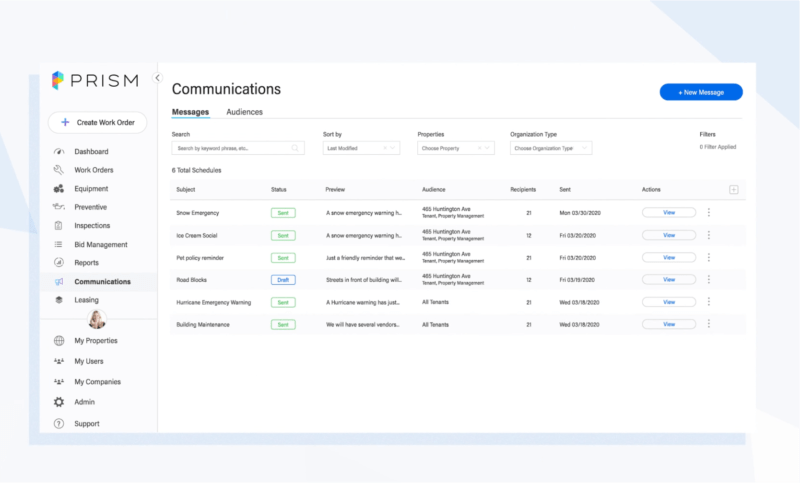
Building Engines is a facilities management platform developed primarily for commercial real estate organisations. It combines maintenance management, tenant services, work order management, and building operations into a single solution, making it particularly well suited to property owners and managers responsible for large commercial portfolios.
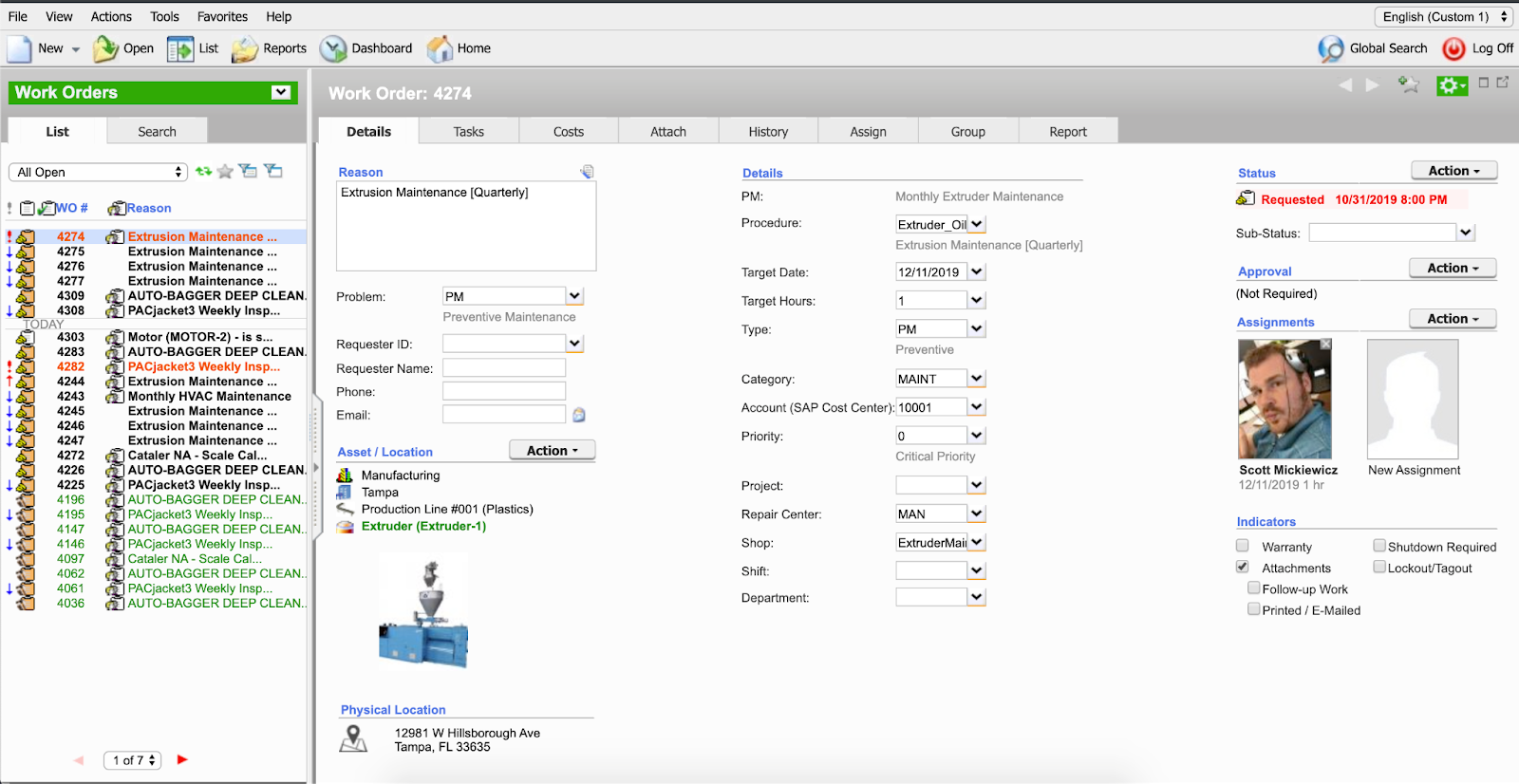
As a mature Computerised Maintenance Management System (CMMS) built for organisations that require greater control over maintenance operations than entry-level platforms typically provide. It offers configurable work order workflows, preventive maintenance scheduling, inventory management, purchasing, asset lifecycle tracking, and detailed reporting, allowing maintenance teams to standardise processes across multiple facilities. Its flexibility and depth of functionality make it particularly well suited to asset-intensive organisations where maintenance compliance and operational consistency are critical.
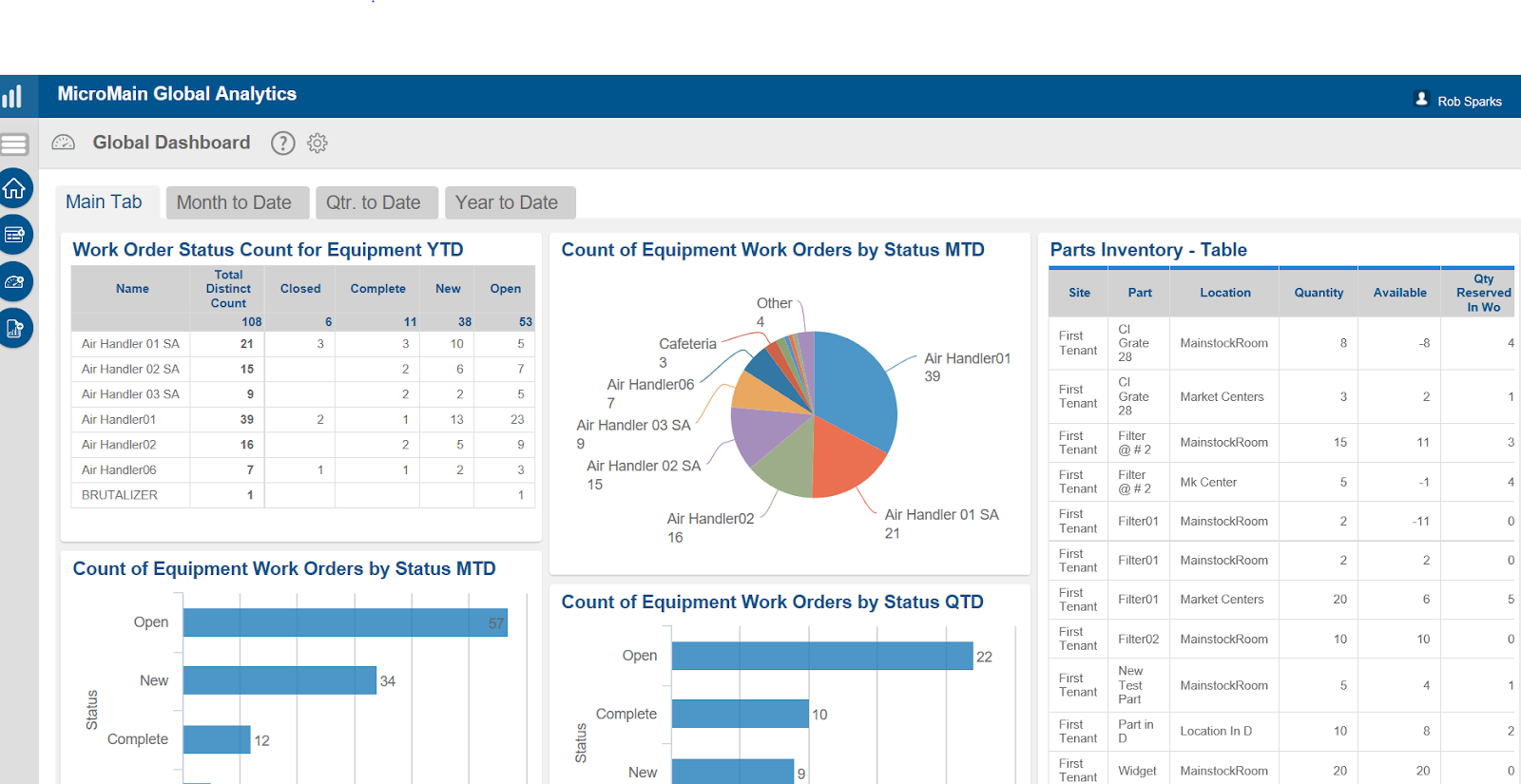
MicroMain is designed to help organisations improve equipment reliability and make better maintenance decisions through detailed asset histories, maintenance planning, and performance reporting. It is particularly well suited to maintenance teams looking for greater visibility into asset performance and long-term lifecycle management, rather than simply managing day-to-day work orders.
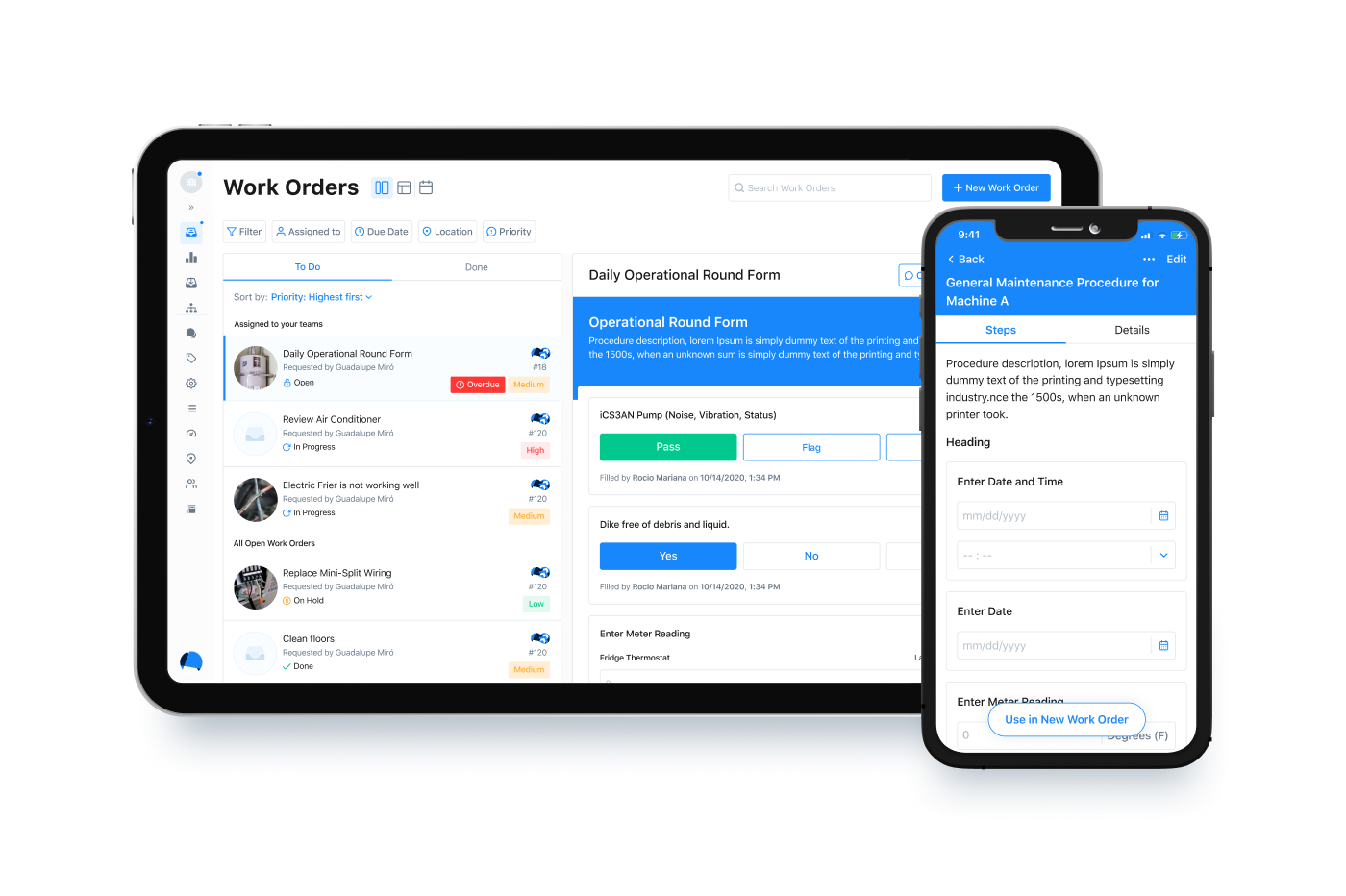
MaintainX is a mobile-first maintenance and operations platform designed to help frontline teams manage work orders, inspections, preventive maintenance, and standard operating procedures from a single application. Its intuitive interface and collaborative workflows make it particularly well suited to organisations looking to improve technician productivity and replace paper-based maintenance processes with a modern, easy-to-use solution.
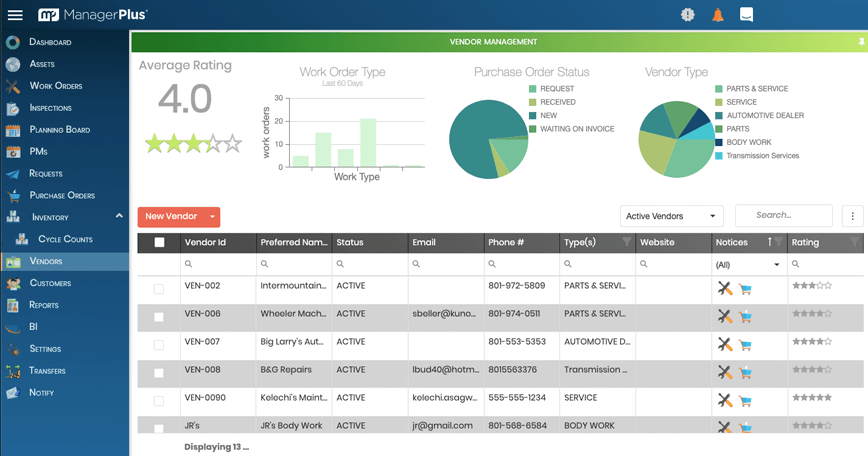
ManagerPlus is designed for organisations where equipment reliability is central to day-to-day operations. Rather than focusing solely on facilities maintenance, it helps maintenance teams manage equipment performance, maintenance planning, inventory, and operational efficiency across asset-intensive environments such as manufacturing, logistics, fleet, and heavy industry.
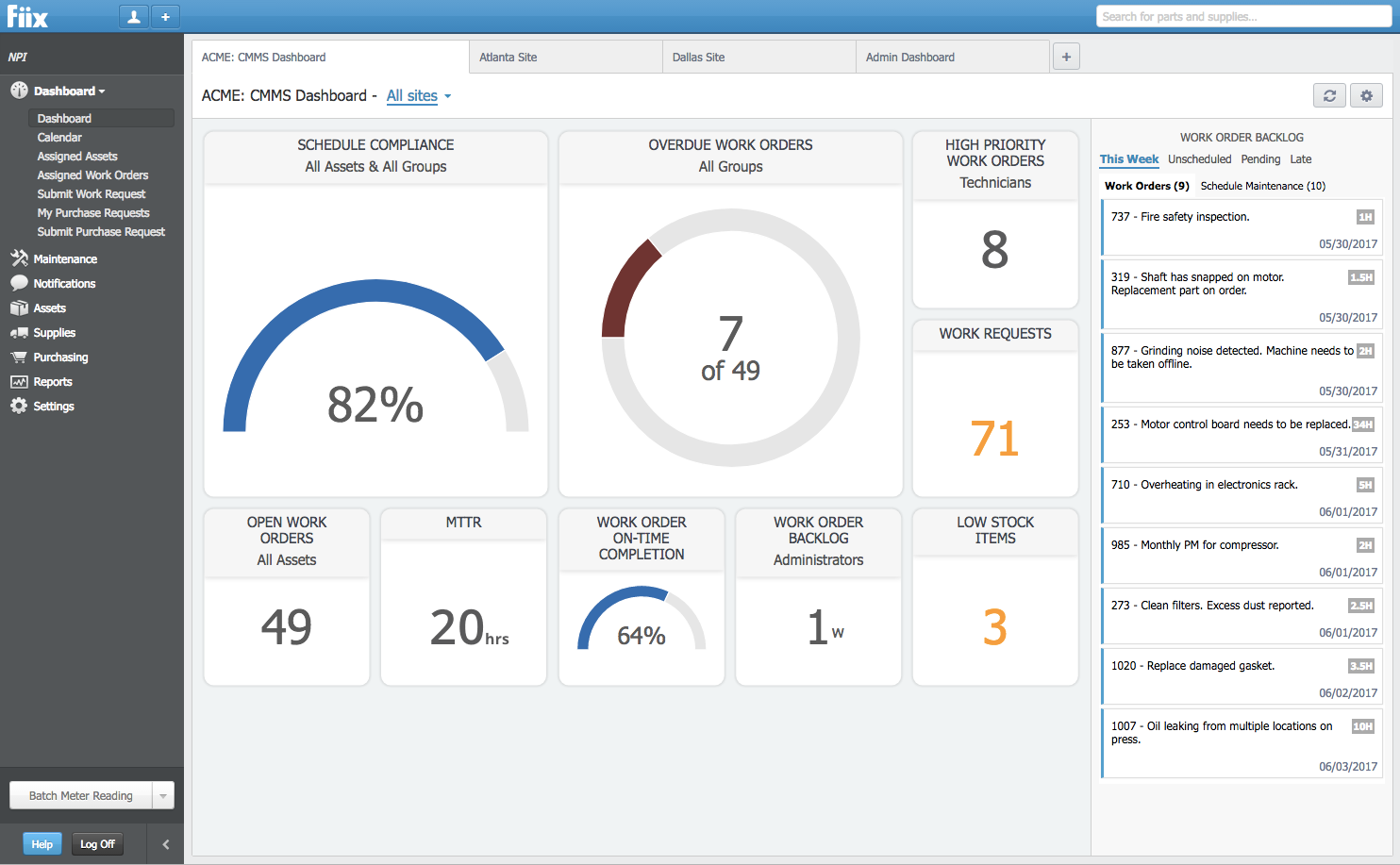
Fiix is a cloud-based Computerised Maintenance Management System (CMMS) designed primarily for manufacturers and other asset-intensive organisations looking to improve equipment reliability and reduce unplanned downtime. The platform places a strong emphasis on maintenance analytics, asset performance, and data-driven decision-making, helping organisations transition from reactive to more proactive maintenance strategies. Its integration with the wider Rockwell Automation ecosystem also makes it an attractive option for businesses already operating within industrial manufacturing environments.
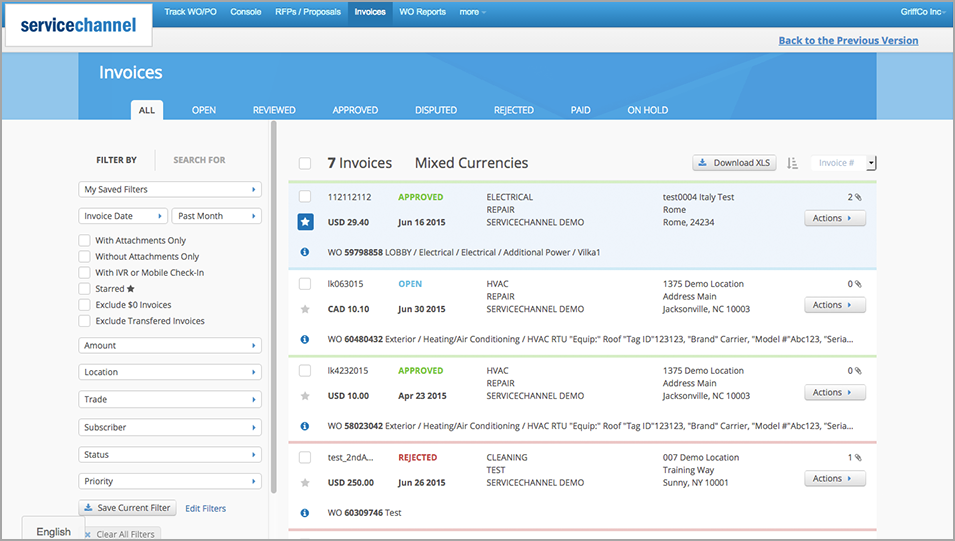
ServiceChannel is a facilities management platform built for organisations that rely on outsourced maintenance and large contractor networks. It helps businesses manage work orders, contractor compliance, vendor performance, and service delivery across multiple locations, making it particularly well suited to retail, hospitality, healthcare, and commercial property organisations with distributed estates. Its strong contractor management capabilities and nationwide service provider network set it apart from many traditional CMMS platforms.
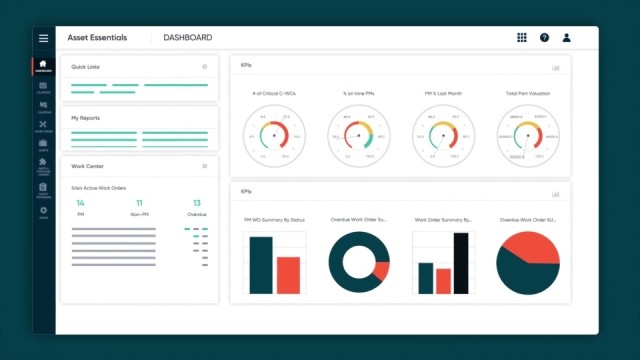
Brightly (formerly Dude Solutions) offers a comprehensive suite of facilities and asset management solutions that help organisations manage maintenance, compliance, energy usage, and capital planning from a single platform. With a particularly strong presence in education, healthcare, and the public sector, Brightly is well suited to organisations looking for greater visibility into asset performance while supporting long-term estate management strategies.
Please note that the order of this list does not indicate a ranking, and it is always advisable to evaluate the specific features, capabilities, and suitability of each software solution based on your company's unique requirements before making a decision, but hopefully you found the list fairly useful!
When selecting a facilities management system, it's important to consider several factors to ensure it aligns with your organisation's specific needs and requirements. Here's a checklist to help you evaluate and choose the right system:
Define the objectives you want to achieve with the facilities management system. Consider factors such as the size of your organisation, the number of locations, specific functionality needs, and any industry-specific requirements.
Ensure that the system can scale with your organisation's growth and adapt to changing needs. Evaluate whether it can accommodate multiple locations, diverse facility types, and various user roles.
Determine the key functionalities required for your facilities management. Consider areas such as work order management, preventive maintenance scheduling, asset tracking, space management, reporting and analytics, vendor management, and mobile accessibility.
Assess the system's ability to integrate with existing software applications and systems, such as accounting, human resources, or building automation systems. Integration capabilities enable seamless data exchange and streamline processes.
Evaluate the system's user interface, navigation, and overall ease of use. Consider the learning curve for your staff and the time required for implementation and training.
Determine if the system has mobile capabilities, allowing technicians and staff to access and update information on the go. Mobile functionality can improve efficiency and responsiveness.
Ensure the system provides robust security measures to protect sensitive data. Evaluate features such as user access controls, data encryption, and compliance with relevant security standards.
Research the reputation and track record of the software vendor. Consider factors such as customer reviews, longevity in the industry, and the level of customer support and ongoing maintenance offered.
Evaluate the pricing structure of the system, including licensing fees, implementation costs, and ongoing maintenance or subscription fees. Assess the potential ROI based on improved efficiency, cost savings, and productivity gains.
Request references from the vendor and review case studies of organisations that have implemented the system. This can provide insights into real-world experiences and success stories.
Assess the availability and quality of training resources and customer support provided by the vendor. Consider factors such as online documentation, video tutorials, and access to a support team.
Inquire about the vendor's product roadmap and plans for future updates and enhancements. This ensures that the system will continue to evolve and meet your organisation's changing needs.
By utilising this checklist, you can systematically evaluate facilities management systems to make an informed decision that best aligns with your organisation's requirements and goals.
A CMMS (Computerised Maintenance Management System) primarily focuses on maintenance operations such as work orders, preventive maintenance, and asset management. Facilities management software often includes additional functionality such as space management, contractor management, compliance tracking, and workplace management.
Enterprise Asset Management (EAM) software focuses on managing the entire lifecycle of assets, including procurement, maintenance, performance monitoring, and replacement planning. Facilities management software often has a broader operational focus that includes buildings, spaces, vendors, and workplace services.
Yes. Many platforms offer affordable plans designed specifically for smaller maintenance teams and facilities departments. Cloud-based solutions can provide enterprise-level functionality without the complexity or cost of traditional enterprise systems.
For most organisations, the most important features include:
Facilities management software plays a critical role in helping organisations improve maintenance efficiency, reduce downtime, manage assets more effectively, and maintain compliance across their operations.
The right solution will depend on your organisation's size, operational complexity, and long-term objectives. Some organisations may require comprehensive enterprise platforms, while others will benefit from maintenance-focused solutions that prioritise ease of use and rapid deployment.
Before making a decision, create a shortlist of suitable platforms, request demonstrations, and evaluate each solution against your specific operational requirements. Taking the time to choose the right facilities management software can deliver significant improvements in productivity, asset performance, and operational visibility.
FaultFixers helps facilities teams manage planned maintenance, reactive work orders, assets, and compliance from a single, easy-to-use platform. Book a demo to see how it could work for your organisation.